String Trimmer Blade vs Trimmer Line - STIHL PolyCut 28-2 Trimmer Head
|
|
Time to read 7 min

|
|
Time to read 7 min
Table of contents
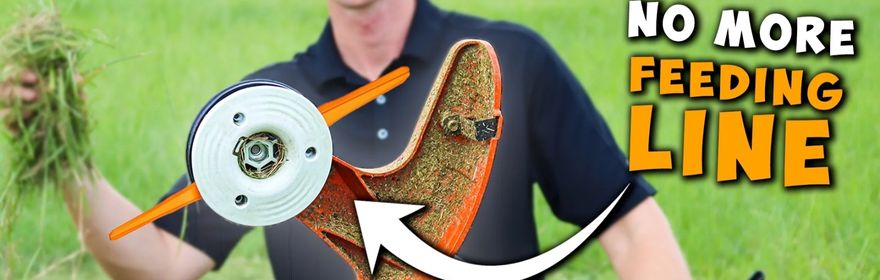
Are you tired of wrestling with your string trimmer’s endless line feeds? If you've ever wished your trimmer could be quieter, run longer, or just be more reliable, you’re not alone. The STIHL PolyCut 28-2 Trimmer Head claims to solve the noisy hassle of bump heads with a fresh approach: tough, cleverly-shaped nylon blades. We took this head out for full testing—from first unboxing to the toughest Florida grasses and obstacles—so you can see if it’s the upgrade your lawns and workload have been missing.
The STIHL PolyCut 28-2 is no ordinary trimmer head. Instead of the usual spool of string, it uses two rugged nylon blades, shaped like airplane wings for less wind resistance. You get a package with six blades—enough for three blade changes—so you're ready to go right out of the box. With these blades in place, you swap out the typical bump head, making your trimmer much quieter and more energy efficient. Here’s what you’ll find in the package:
The PolyCut 28-2 fits most STIHL string trimmers by replacing your current bump head. The head itself has changed a lot over the years, with STIHL updating the design several times—even recalling an earlier version to improve durability and safety.
Why ditch string in the first place? PolyCut blades bring several welcome changes to your trimming routine:
People buy battery trimmers hoping for peace and convenience, but most are disappointed by how loud the line still is. The PolyCut 28-2 takes that edge off, delivering results that are easy on the ears and better for sensitive environments.
What about long-term use? There are still questions: Do the blades cut as well as string? Will they last if you hit a pipe, pole, or concrete? We set out to answer these with real field testing.
Swapping to a PolyCut head is easier than you’d think. Here’s how to do it step-by-step:
Tip: The PolyCut 28-2 offers backup flexibility. If you run out of blades on a job, just thread standard trimmer line through the eyelets on the head. You’re back in action in minutes.
Some folks stick with string line because they think it's cheaper, but the math tells a different story.
| PolyCut Blades | Trimmer Line | |
|---|---|---|
| Package Cost | $13.99 (12 blades) | $17.99 (272 ft) |
| Refills | 6 blade changes (2 per use) | 9 refills (30 ft per) |
| Cost/Refill | $2.33 | $2.00 |
Despite higher blade cost at first glance, when you break it down by refill, it’s almost a tie. If the PolyCut blades last as long as a head-full of string, you’re getting better performance for about the same money—with the added perk of less hassle.
Noise is where PolyCut truly stands out. Using a battery-powered STIHL FSA 35, tests ran both the PolyCut and standard string head at all three power settings, indoors for accuracy.
The line head was loud and sharp, especially as line length increased. The PolyCut’s blades, shaped for minimal air resistance, stayed noticeably quieter—even when pushed to the trimmer’s highest setting.
Decibel test scale used:
Results:
Even the quietest line setting was louder than the loudest PolyCut setting.
This isn’t just about comfort—it matters if you mow in neighborhoods, near hotels, or in the early hours. Fewer complaints. Happier clients. Less ringing in your ears.
Always suit up with safety glasses and sunscreen (especially in Florida sun!). Long pants and boots add more protection; shorts are tempting but be prepared for minor scrapes.
Bahia grass is notoriously tough—many landscapers burn through new mower blades just on this variety. Testing started with the trimmer at the lowest power, then ramped up.
Results:
Blade Condition:
Taking on wild, overgrown grass with thicker stalks:
Field Tip: While traditional string tends to tangle and shred, PolyCut blades slice more evenly even through mixed patches.
St. Augustine grass at Winter Garden’s Newton Park gave a softer proving ground. Smooth, lush grass was handled with ease—cuts felt like using a mower instead of a trimmer.
But obstacles matter. What happens when you bump a pole, guard rail, or tree?
Tip: PolyCut gives a surprising amount of control. Even a less experienced operator can avoid scalping grass or damaging bark, making trim jobs feel smoother and more precise.
If you need to trim along chain link fence often, the PolyCut head isn’t the right tool for you.
Warning: Keep some line with you. The PolyCut head’s option to run string line comes in handy for fence jobs.
Testing continued on small saplings and brush up to the thickness of a thumb.
If you have occasional small brush to clear, PolyCut can handle it. For regular heavy brush, a metal blade or dedicated brush cutter is a better fit.
Recap of PolyCut’s Field Performance:
Ideal Users:
Limitations:
Reviewer’s Take: The PolyCut 28-2 already earned a spot on my home trimmer. Swapping blades is quick, noise is way down, and grass is left looking cleaner. I’m planning on giving it a year—and expect it’ll stay my go-to for most jobs.
If you need a head that does everything, especially including edging, this isn’t it. For most trimming, though, PolyCut feels like a smart upgrade.
Take a deeper look at the world of trimmer heads, brush blades, and more with these resources:
If you’re ready to say goodbye to complicated bump heads and hello to cleaner, quieter trimming, the STIHL PolyCut 28-2 is hard to ignore. Let us know how it works for you or if you’ve found another trimmer head that stands out!
Links to Main Street Mower


